


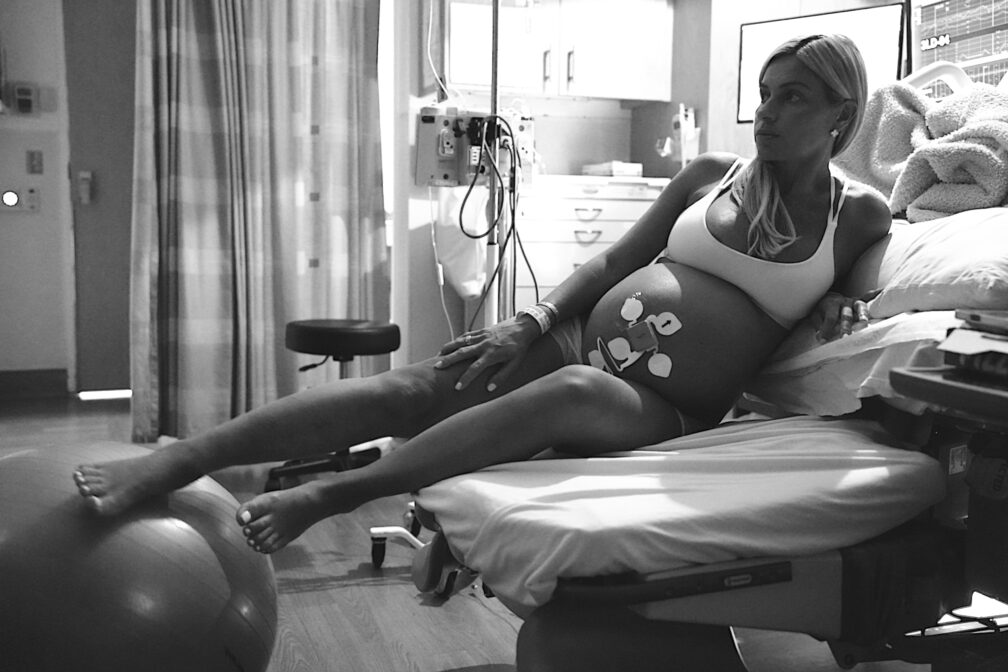
The quick version
25 Hours, No Epidural, and One Incredible Support Team
- Water broke: at home, both pregnancies, same number of days pregnant, age 43 for round 2
- Labor length: 25 hours from water breaking to delivery
- Pitocin: yes, and I turned it off at a level 8 (I think it can go up to 20)
- Epidural: none
- Pushing: 19 minutes, lying on my side
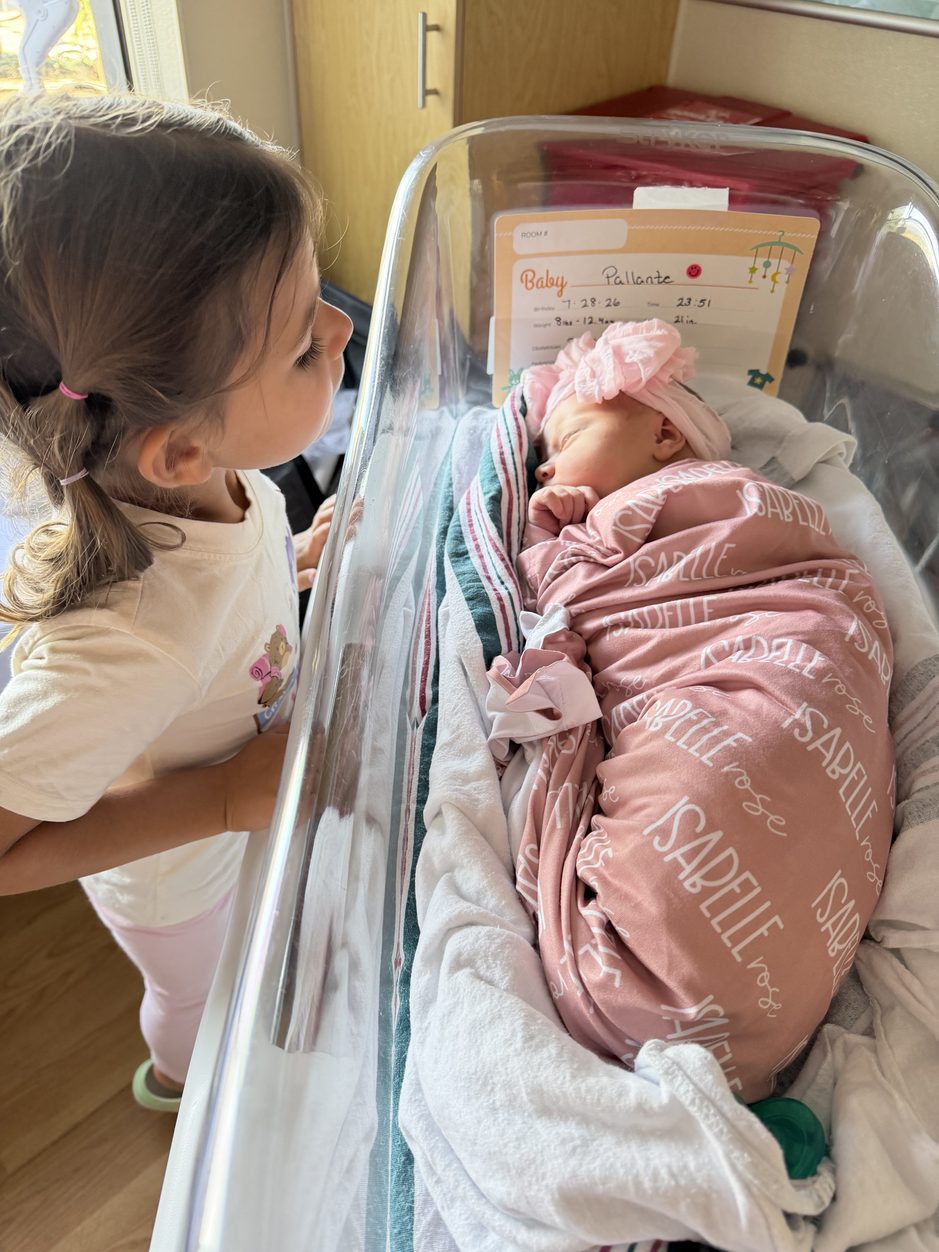
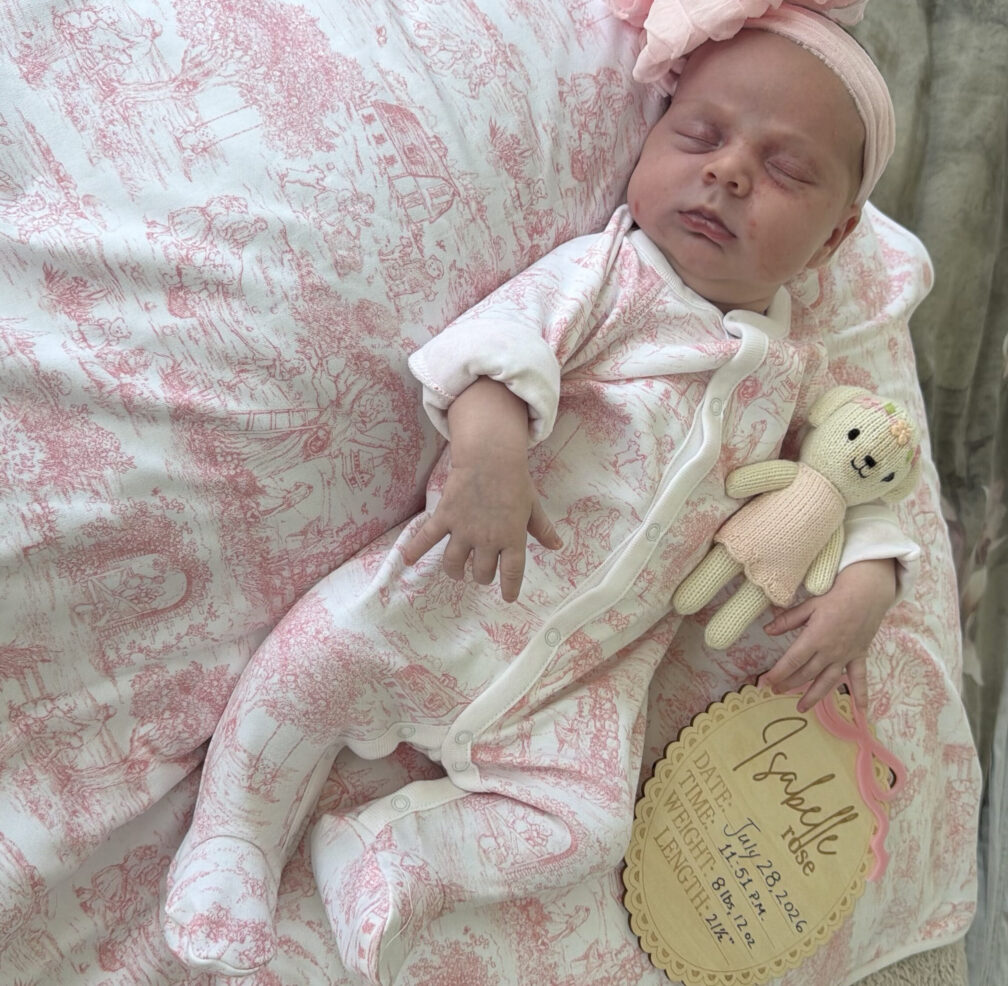
- Baby: born at 39.5 weeks, 8 lbs 12 ounces, 21.5 inches, and nursed for one full hour
- Game changer: my doula, Rebecca Richter
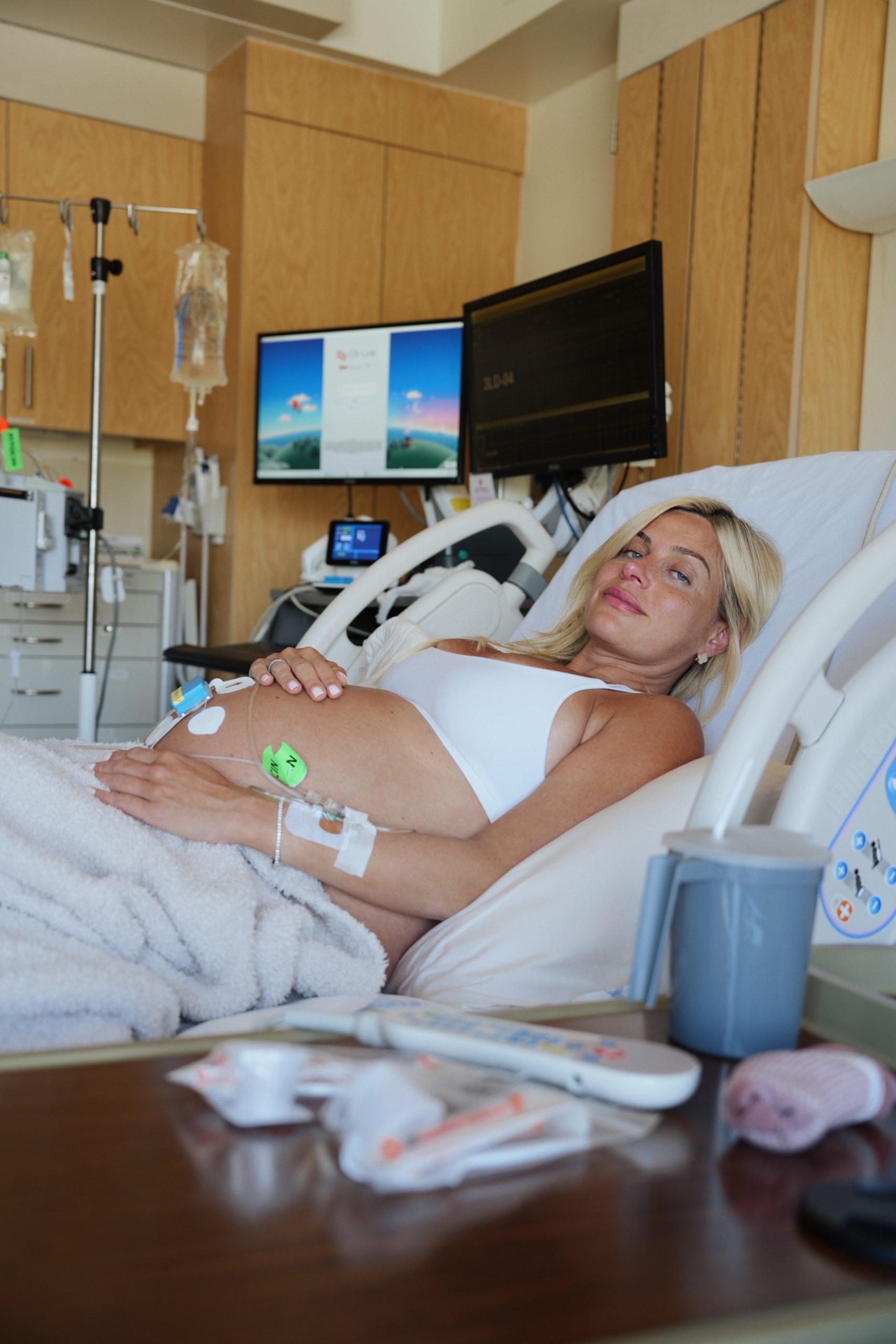
Where it started: birth #1 with Lily
My First Birth with Lily: Beautiful, Intense, and Full of Lessons
My first birth was beautiful. I felt prepared. But it could have been better, and here’s why.
My water broke, and there was meconium in it (meaning the baby had her first poop before birth). That created a sense of urgency to start labor. After 6 hours of contractions that weren’t strong enough, I was given Pitocin, which I was adamantly against.
Here’s how the day went:
- Hour 6 after water broke: Pitocin started because they didn’t want my labor to go beyond 24 hours
- Hour 8 of labor: my doctor still hadn’t arrived at the hospital
- 9:30 am: I asked my nurse how much longer, and she said, “As a first-time mom, you won’t deliver before 6 pm”
- 10:00 am: I asked for the epidural
- 10:30 am: My doctor walked in and told me I was ready to push. The epidural had just kicked in.
- 11:27 am: Lily was born after one hour of pushing and a level one tear
The Pitocin contractions came on hard and fast. It was a pain I had never experienced in my life. I was probably already 7 to 8 cm dilated and had no idea. I was hooked to an IV, miserable, and thinking things like, “How does anyone do this more than once?”
The epidural kicked in quickly and relaxed my body completely. But afterward I had back pain at the injection site for about a week, every time I bent down, on top of all the other postpartum recovery that I had underestimated. The out-of-pocket bill was $2,500. That’s money that could have gone toward a doula or something better than the epidural, in my opinion.
Good to know: Pitocin is a synthetic version of oxytocin, the hormone that causes contractions. It usually makes contractions stronger, longer, and closer together than natural labor, which is why many people find it intense and why continuous monitoring is standard. And that “I can’t do this” moment? It has a name: transition, the stretch from about 8 to 10 cm. It’s the most intense part of labor.
Why I wanted to do it differently
Preparing My Body and Mind for Birth the Second Time Around
From everything I’ve learned about birth, our bodies are designed to do this. Life doesn’t always follow the birth plan, but if you prepare mentally and physically, you will be much better off.
So for round 2, I told myself that my labor and recovery would be best without medication, and I got to work as far as prep:
- Hired a doula early on
- Strength trained every day I could, both pregnancies.
- Added pelvic floor work this time around
- Kept up weekly chiropractic care from week 37 on
- Practiced birth positions and breathwork I hadn’t explored the first time.

My team
The Team That Helped Me Feel Informed, Supported, and Ready
First, what is a doula? A doula is a trained, non-medical support person who is with you before, during, and after birth. She doesn’t deliver your baby or make medical decisions. Instead, she helps with comfort measures like positions, massage, and breathing; keeps you informed; and helps you advocate for the birth you want. Think of her as your steady coach and advocate, working alongside your doctor or midwife.
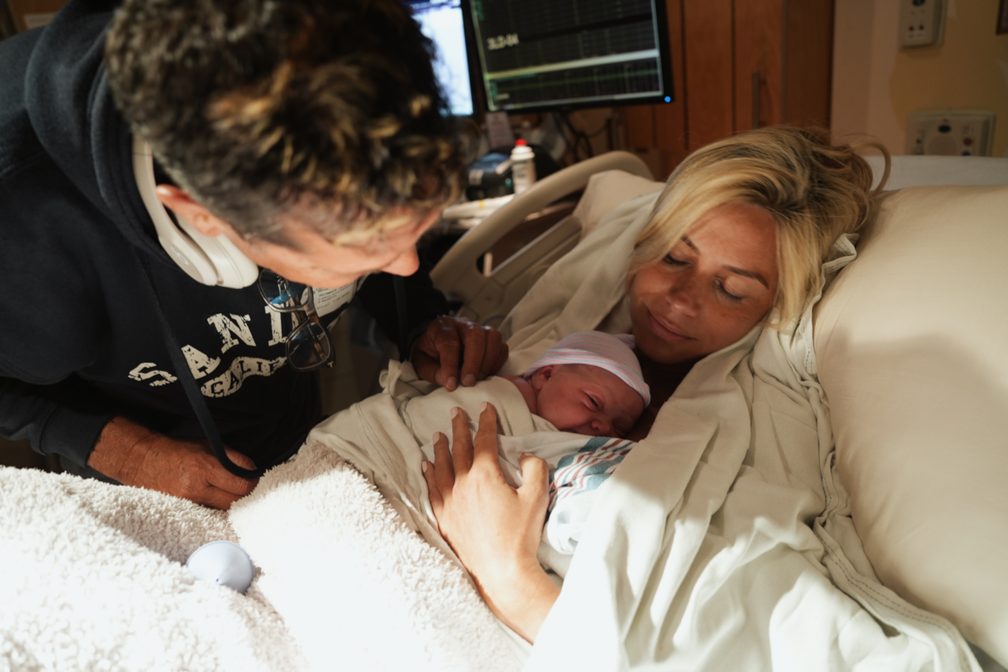
My doula, Rebecca Richter. I debated hiring one the first time and saw the value as a first-time mom, but I didn’t connect with any of the doulas I interviewed. The second time, it was non-negotiable, and I found my match. Rebecca is a birthing goddess, and our values and birth visions were completely aligned. Worth every penny. She also took photos and videos of my labor and birth. It’s pretty raw and emotional to go back to after you are out of the birthing experience.
Dr. Berlin, my chiropractor. He has worked as a doula himself and gave me so much pre-labor intel. I saw him in both pregnancies and for postpartum care.
Dr. Nefertiti Abdou, my fertility acupuncturist. She was another incredible source of guidance leading up to labor.
The plan: hospital labor without an epidural
From My Birth Plan to 25 Hours of Labor Without an Epidural
I started doing the things that are supposed to help labor start on its own around week 37, all in the hopes of avoiding an induction.
My OB suggested induction by week 38 in my first pregnancy because the baby was measuring big (closer to 9 lbs by week 37). I declined. We agreed that if I hit 40 weeks, we’d revisit it. She was born at 39.5 weeks, weighing a perfect 7 lbs and 11 ounces. For pregnancy number 2, I agreed that I would only consider an induction if I went over 40 weeks. We never really considered measurements, as I know they can be unreliable.
Good to know: Ultrasound estimates of baby’s weight in late pregnancy can be off by 10 to 15 percent in either direction. It’s worth asking your provider how they’re measuring and what the estimate actually means for your plan. In my experience, doctors and hospitals sometimes want you on their schedule, and you have to advocate for what you want. Some people like the idea of scheduling C-sections and inductions, and others prefer to let the baby come on their own terms. I fall into the latter group.
Labor day: 25 hours
My water broke again, and I leaked what probably called for an adult diaper from the time I left home until I got to the hospital. Water breaking first is the exception, not the rule: it happens in roughly 1 in 10 full-term pregnancies, and the movie-style gush is much less common than the real thing. Most people go into labor on their own within about 24 hours, and providers often recommend moving things along after that because infection risk rises over time.
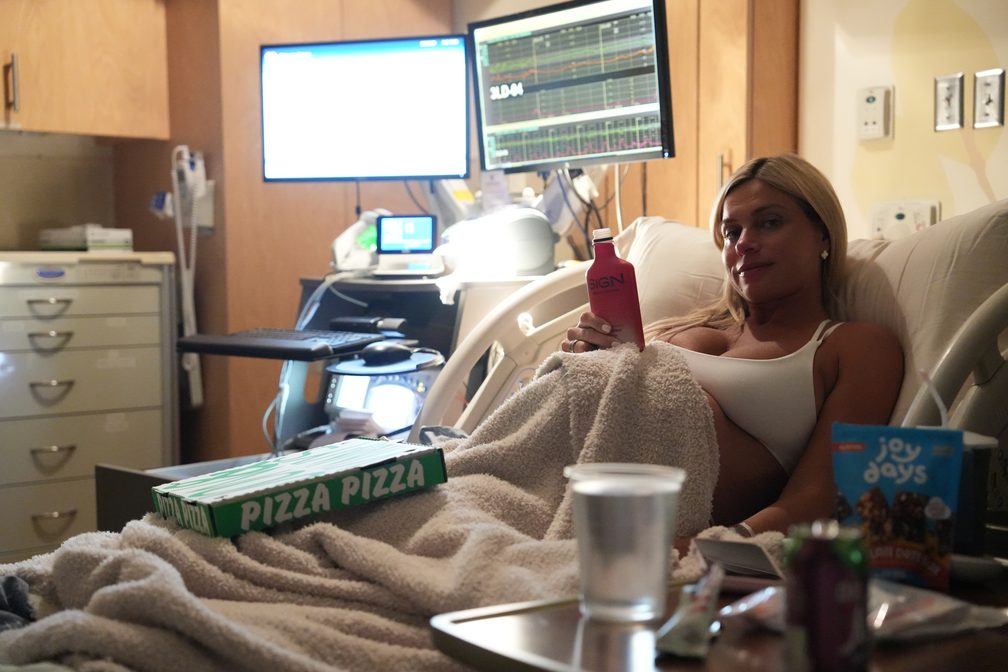
Here’s how my 25 hours went:
- Early on: contractions started, then stopped. Frustrating, but I felt more in control than I did the first time.
- Pitocin: needed again, but this time I monitored it continuously. When it hit an 8, I told the nurses to turn it off.
- The last 2 hours before pushing: BRUTAL. I’m not going to sugarcoat it. It took every ounce of mental fortitude I had.
- Moving around: my doula and I worked our way around the room, trying different positions. You simply can’t do that the same way with an epidural, since you’re mostly in bed.
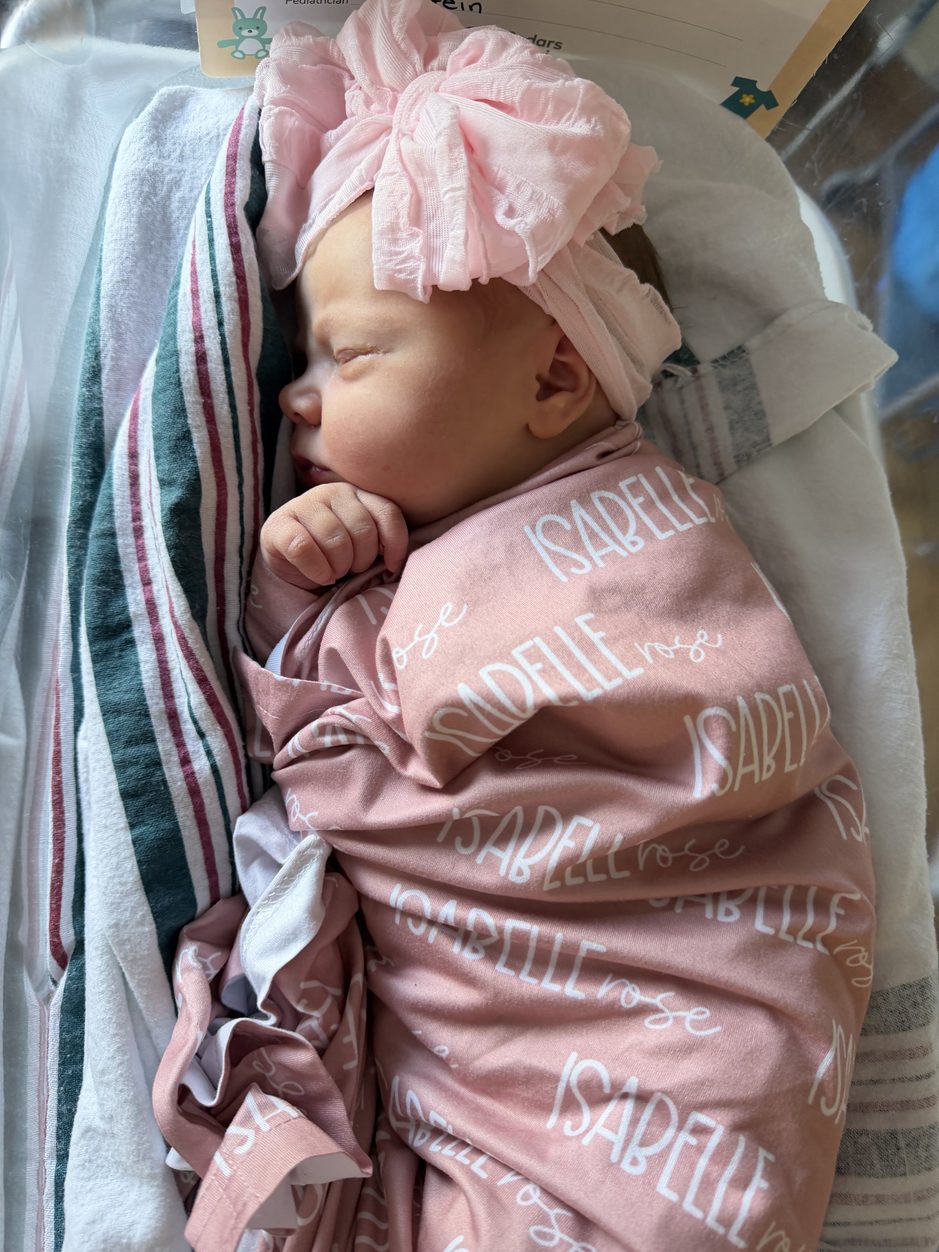
- Pushing: when I felt the baby’s head finally moving down, my doctor wasn’t in the room yet, but I knew she was close, even though the nurses told me I was not as dilated as I felt. The pressure I felt on my body at this point was extremely uncomfortable. My cervix was fully effaced just before I started pushing. I had taken something called misoprostol, which may have gotten the effacement moving faster in the final hours of my labor. I found that lying on my side worked best for me for comfort and for making progress while pushing. I pushed for 19 minutes, compared to a full hour with my first labor with the epidural. My doctor, Jason Rothbart, made it to the room within the final minutes of pushing to deliver my baby girl, Isabelle Rose.
Good to know: Second labors are usually shorter on average (even though mine was double!), and pushing often goes faster too. Research also shows epidurals can lengthen the pushing stage for some people. There’s no single best birth position, which is exactly why it helps to practice a few before labor, and I’m so glad I did that for this round.
The moment after
The First Hour with Isabelle Rose: Shaking, Nursing, and Pure Joy
I remember this part so clearly, and I don’t remember as much from round 1.
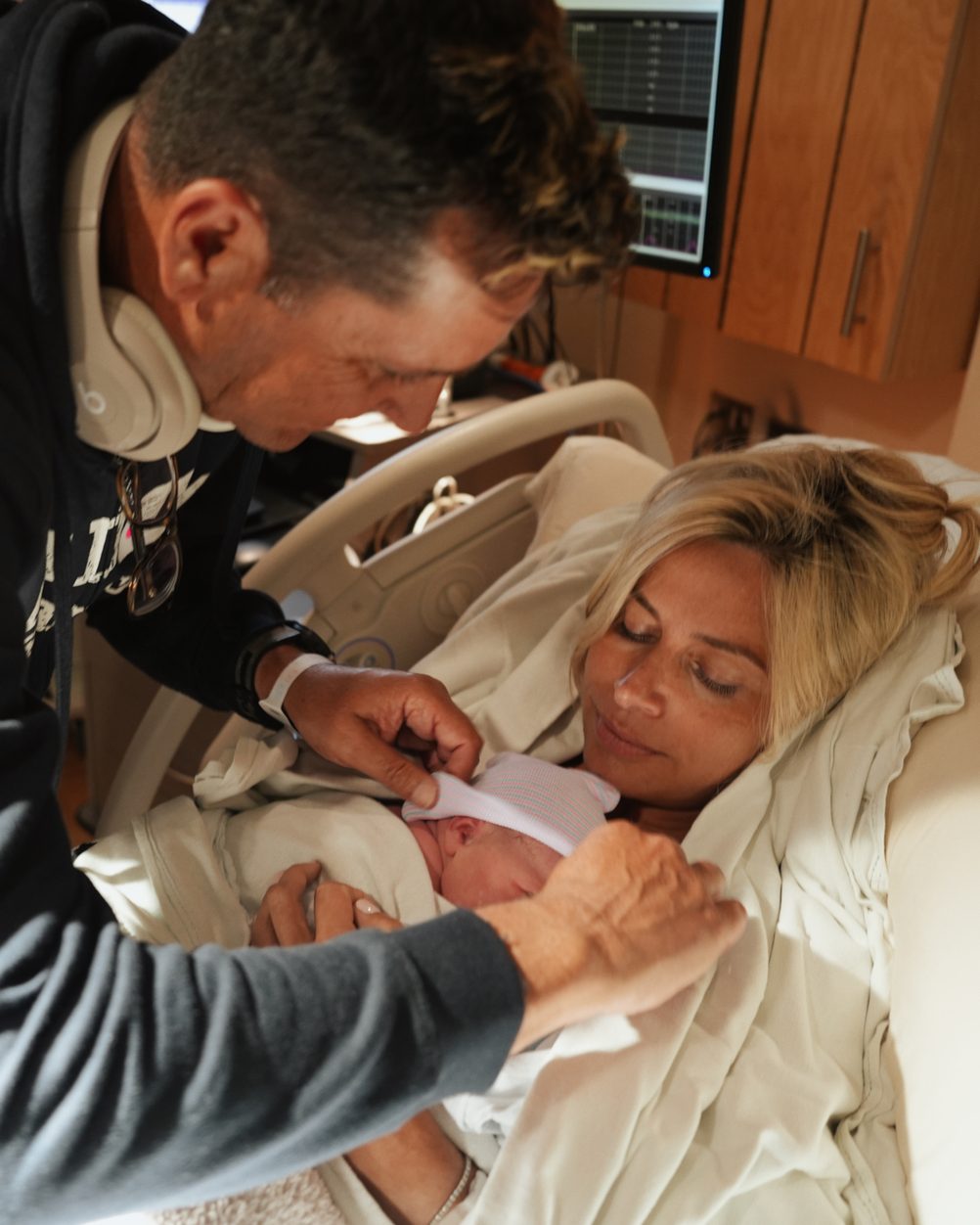
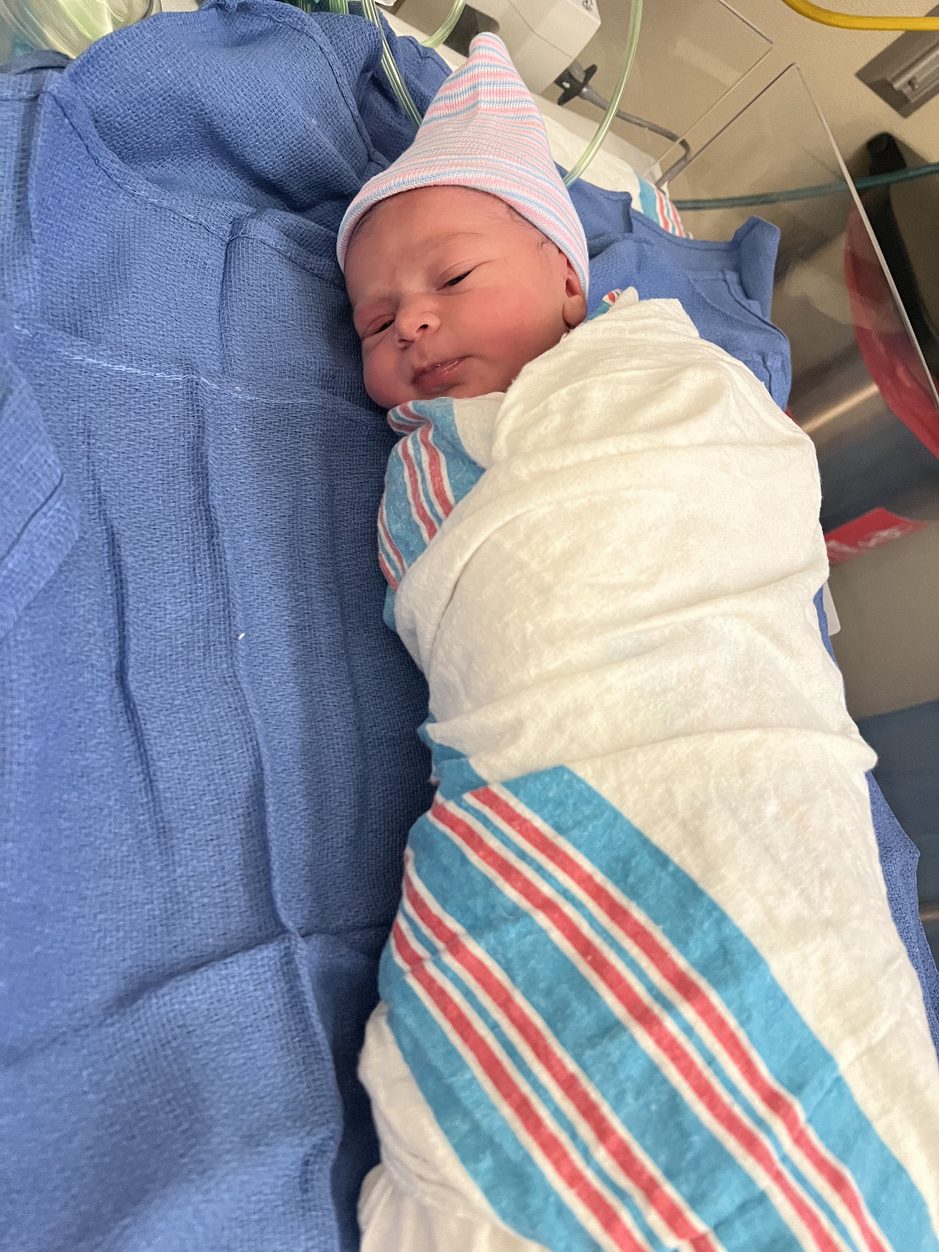
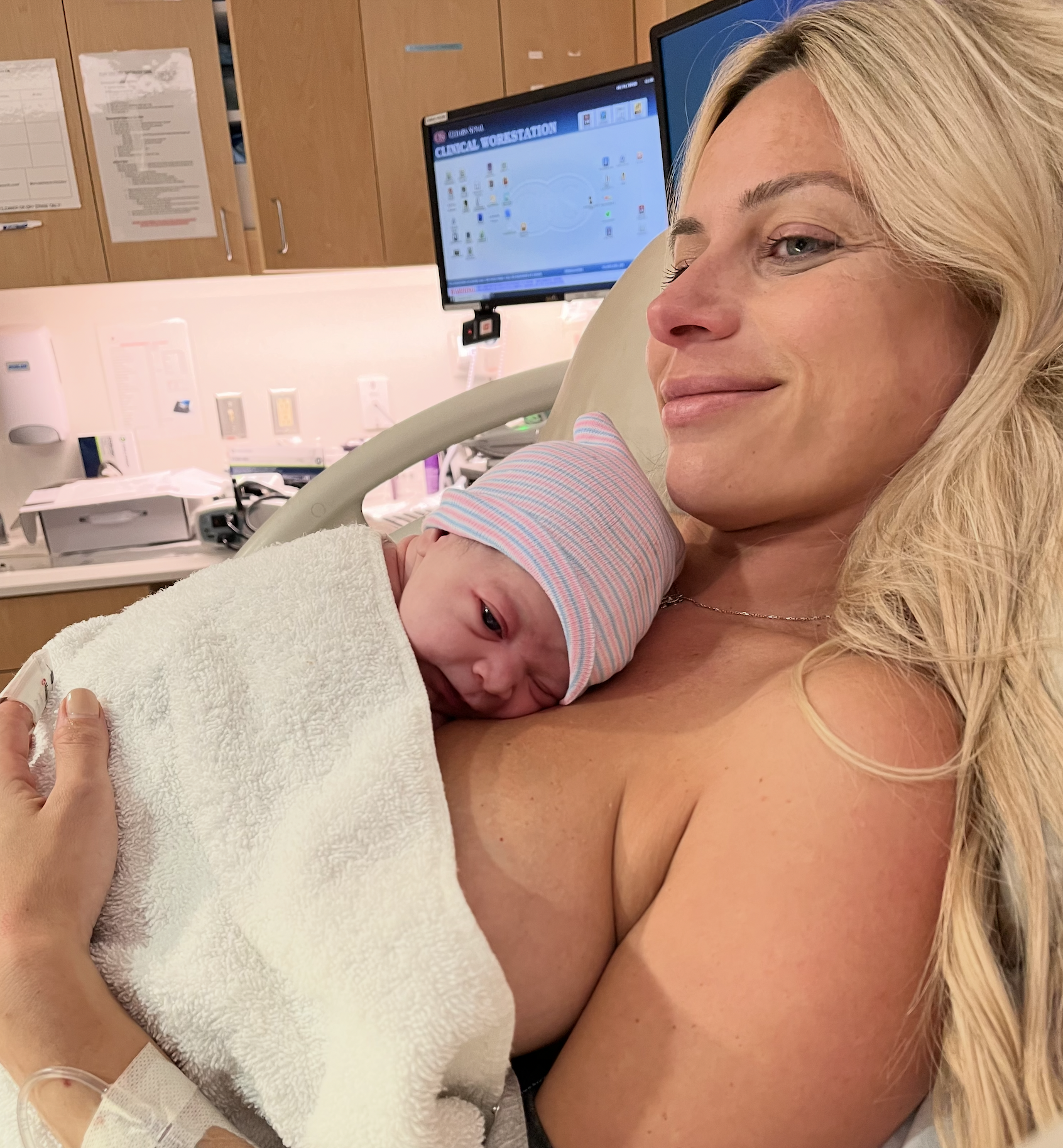
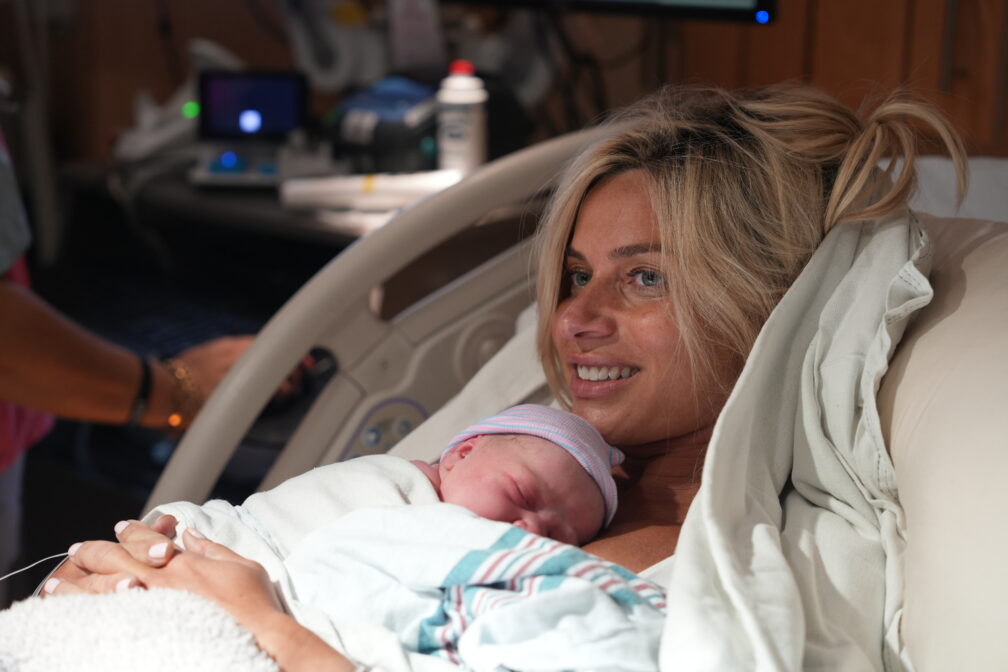
My whole body went into a full cold shake after delivery. I was begging for blankets. Then she was placed on my chest and nursed for one full hour, completely on her own. It’s pretty magical that they instinctively know what to do. I was overcome with emotion and full of joy that my baby was finally earthside.
Good to know: Postpartum shaking is very common and is usually tied to the big hormone and adrenaline shifts after birth. It typically passes within minutes to an hour. Skin-to-skin contact in that first hour helps regulate baby’s temperature and heart rate and supports breastfeeding.
I felt everything, in the best way possible, once I pushed through the pain.
And the funniest part? The nurses asked if I wanted Tylenol afterward. Tylenol, after I had just given birth without an epidural. I do think some bragging rights come with that. 🙂
Birth #1 vs. birth #2
Lily and Isabelle Rose: Two Births, Two Very Different Experiences
Birth #1 (Lily)
- Water broke with meconium, 12 hours to delivery
- Pitocin after 6 hours
- Epidural at 10 am
- 1 hour of pushing at 10:30 am, level one tear
- Back pain at the injection site for about a week
- $2,500 out-of-pocket epidural cost
Birth #2 (Isabelle Rose)
- Water broke, 25 hours to delivery
- Pitocin, turned off at a level 8 (I didn’t even know to check the level on round 1)
- No epidural
- 19 minutes of pushing, on my side
- Moved around the room with my doula supporting me
- Cold shakes, then one full hour of nursing
- Soreness, bleeding, level 1 tear stitched up – but no back pain this time around – more on this in my next blog post on postpartum recovery.
What I’d tell you if you’re curious about an unmedicated birth
Seven Things I’d Tell a Mom Considering Birth Without an Epidural
- Start preparing early. Strength, pelvic floor, and positions all take practice.
- Hire a doula and interview a few. Connection matters. Keep looking until it feels right.
- Know your options on Pitocin. Ask your provider ahead of time how they manage it and whether they can adjust it.
- Practice several positions. You won’t know which one works until you try.
- Build a team that shares your vision. My chiropractor, acupuncturist, and doula made me feel informed and supported.
- Check your costs. Epidural and hospital bills vary widely, so call your insurance ahead of time.
- Mentally prepare. I listened to hypnobirthing podcasts and received affirmation cards. I never doubted in my mind that I couldn’t do this without an epidural. I will admit that in the final moments before pushing, probably around 9CM dilated, I had some second thoughts, went to a dark place mentally, and then continued fighting my way through the pain knowing that on the other side, it was going to be better than I could ever imagine.
Whatever your path looks like
Every Birth Story Deserves Respect
If your birth went in a different direction, like mine did the first time, that is completely okay. To the moms who needed C-sections, to those who delivered preterm, and to every mom whose story looks different from mine: your path is your path, and I respect every choice made along the way.
I’m sharing this for the moms who are curious about unmedicated versus medicated birth and want more information. Even with all the research I did and all the people I spoke with in the medical and holistic world before baby #1, I was blindsided by my hospital experience and postpartum recovery. I want you to walk in with more information than I had.
Both of my babies were healthy, and I’m so grateful for everyone who helped bring them earthside. All the glory to God for what a miracle this truly is.
My second time around was so much better, and if I can help even one mom navigate hers, I’m all for it.

More on my postpartum healing to come. I welcome any questions and comments I can help with.
This is my personal experience and not medical advice. Always talk with your own provider about the right plan for you and your baby.


Questions, Comments?